






Forming Fabric
Contact Us
Classification
Superior Runnability: High wear resistance and dimensional stability ensure long running life and fewer breaks.
Superior Runnability: High abrasion resistance and dimensional stability ensure extended running intervals and reduced sheet breaks
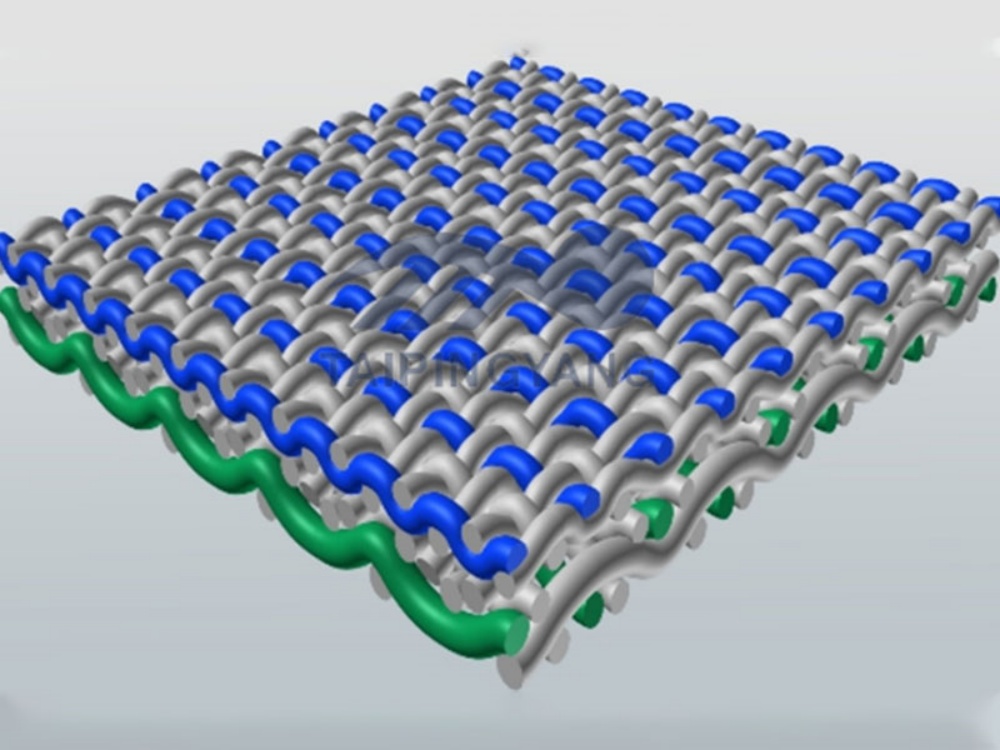
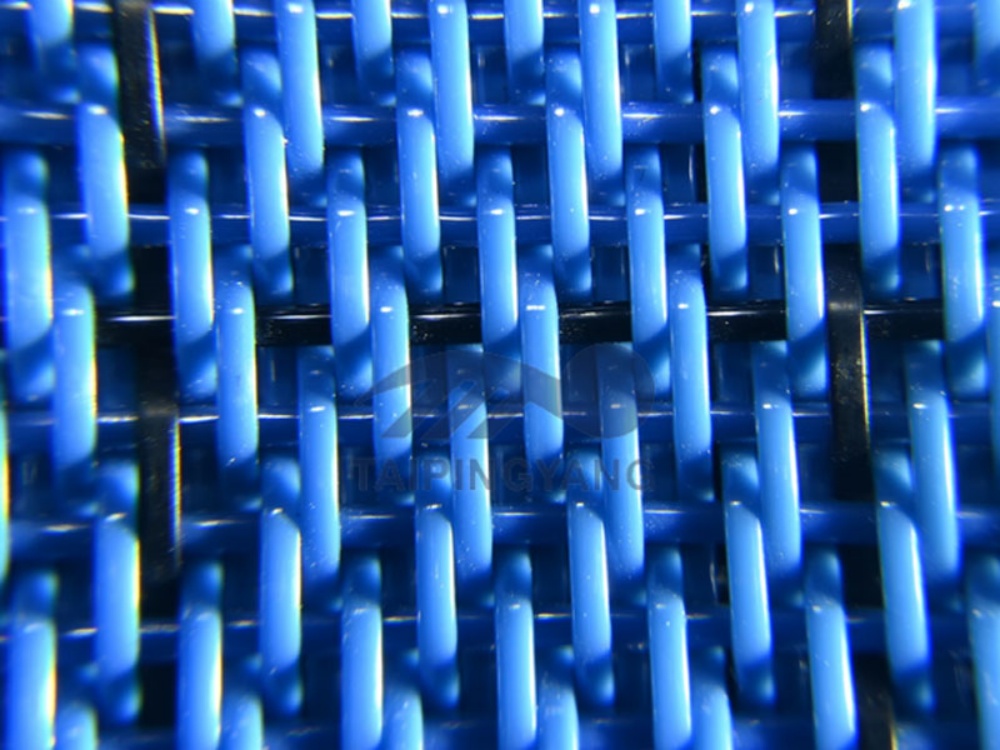
Polarized Drainage Technology: Unique offset-stacked weave structure eliminates direct drainage channels, providing controlled dewatering and improved retention
Enhanced Sheet Quality: Delivers uniform sheet profiles, higher physical strength values (Concora Medium Test, Ring Crush Test, Burst Index), and excellent printability with minimal wire mark
Cleaner Machine Operation: Designed to minimize fiber and water carryback, leading to cleaner wire loop operation and improved overall equipment efficiency
Energy Efficiency: Innovative design features (such as square-profile yarns) reduce drive loads, resulting in significant power savings
Optimized for All Paper Grades: Tailored solutions available for applications ranging from high-speed packaging grades (linerboard and corrugating medium) to premium printing and writing paper grades
FORMING FABRIC
Product Overview
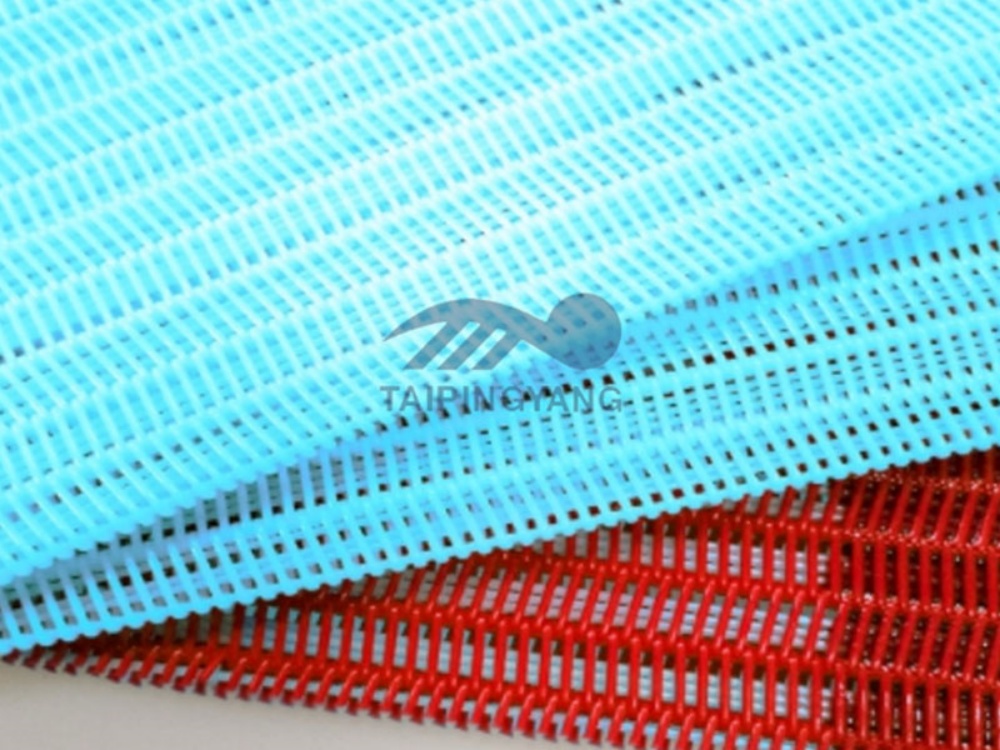
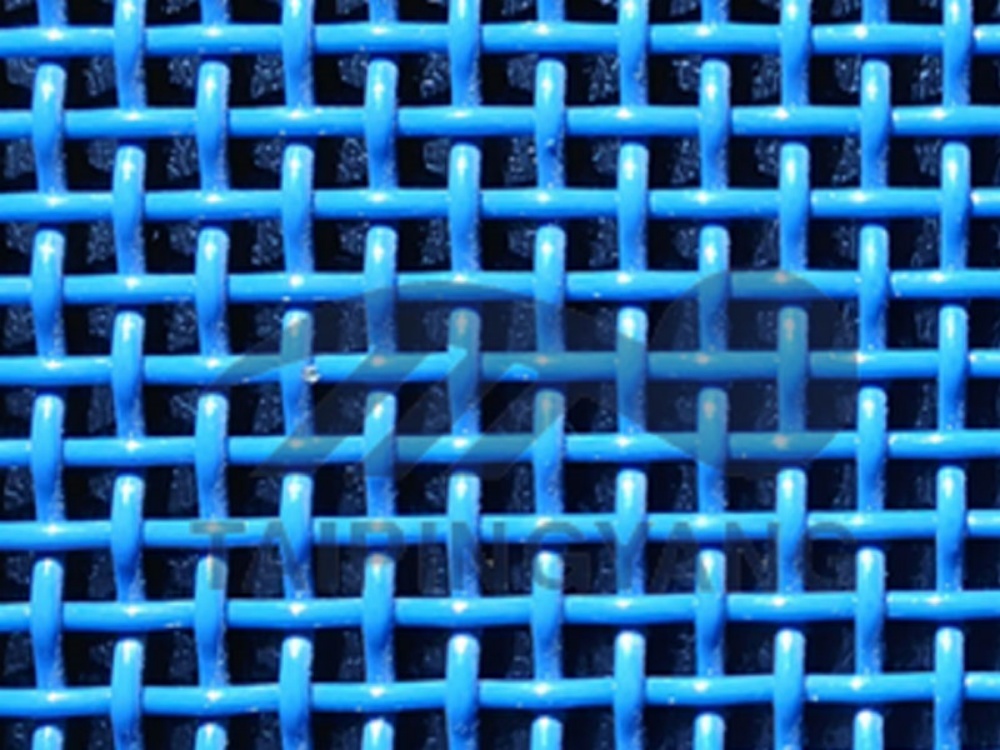
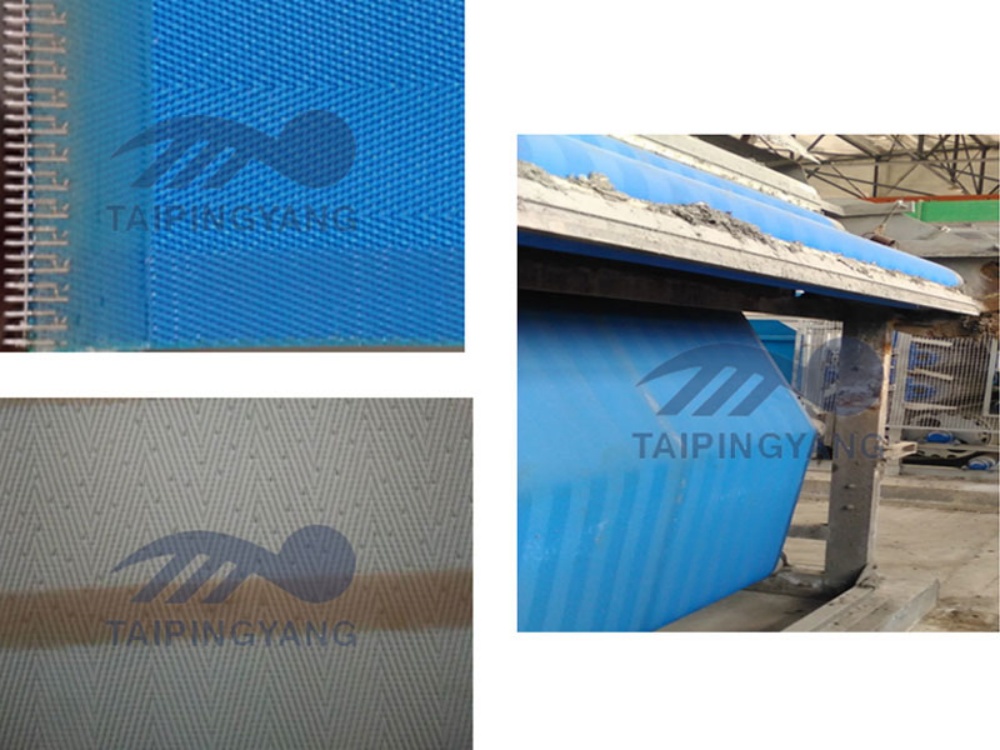
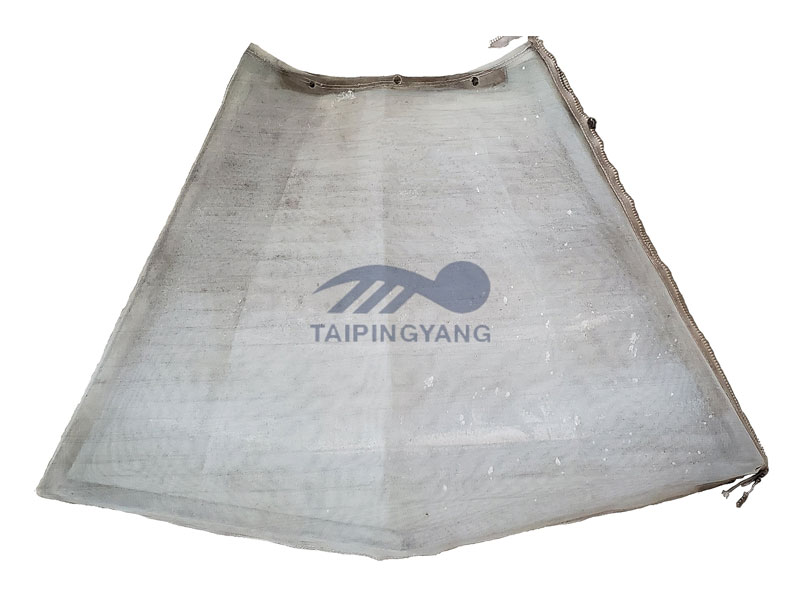
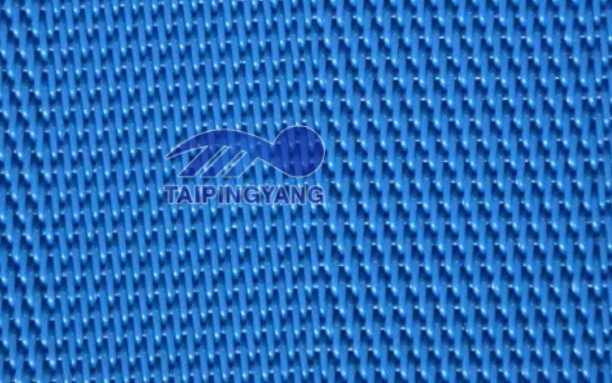
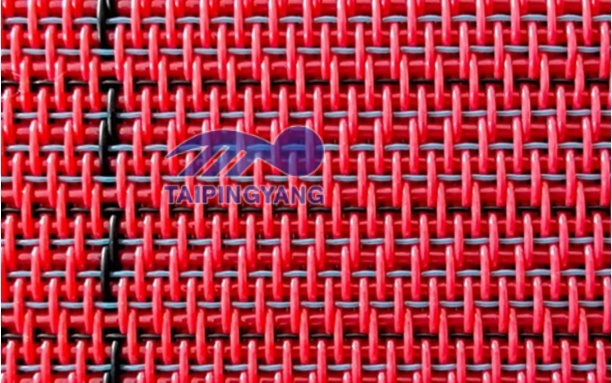
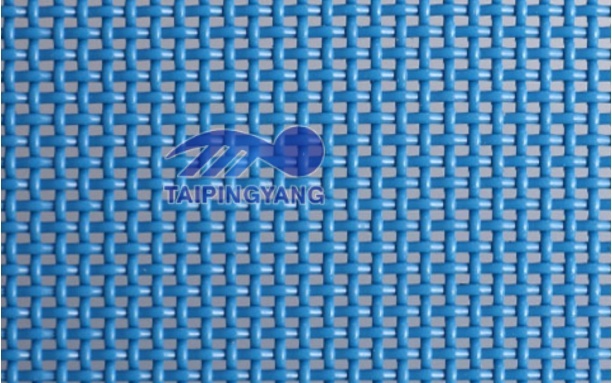
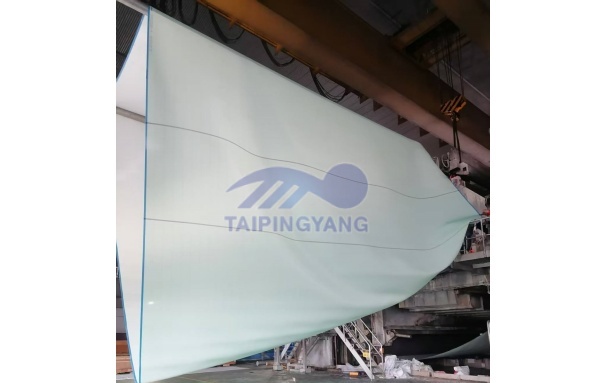
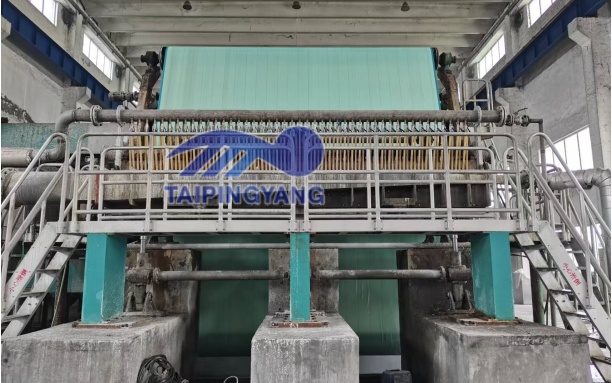
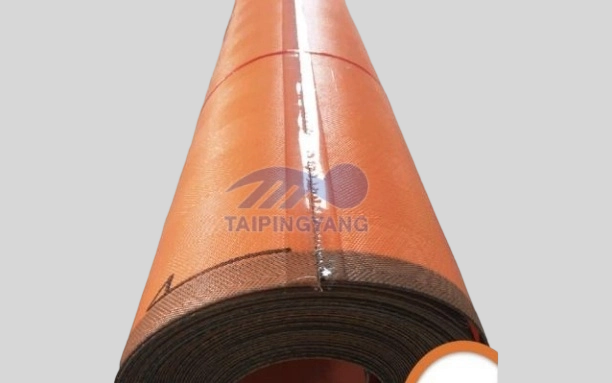
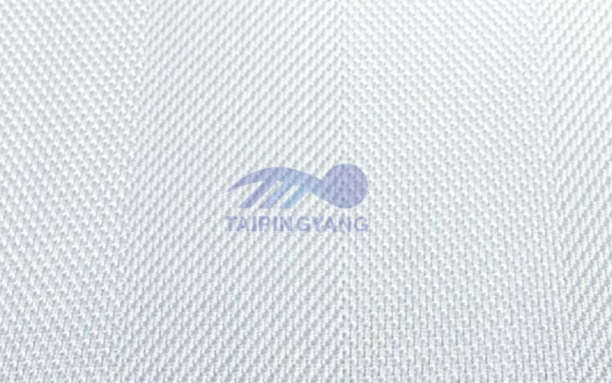
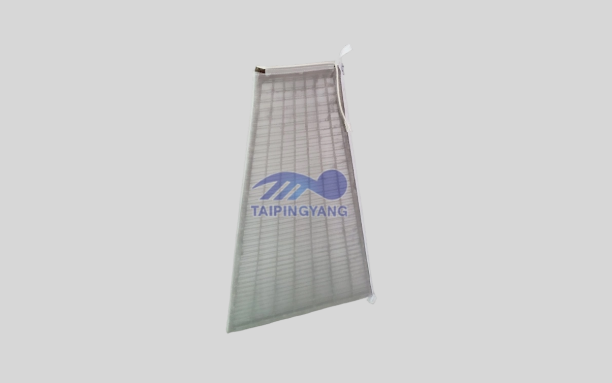
Forming fabrics, also known as paper machine wires or forming wires, are essential components in the forming section of the paper machine. These synthetic endless belts, typically woven from polyester and polyamide monofilaments, serve as the platform upon which the dilute pulp slurry from the headbox is deposited. They facilitate rapid dewatering, promote uniform fiber distribution for optimal sheet formation, and convey the nascent wet web toward the press section.
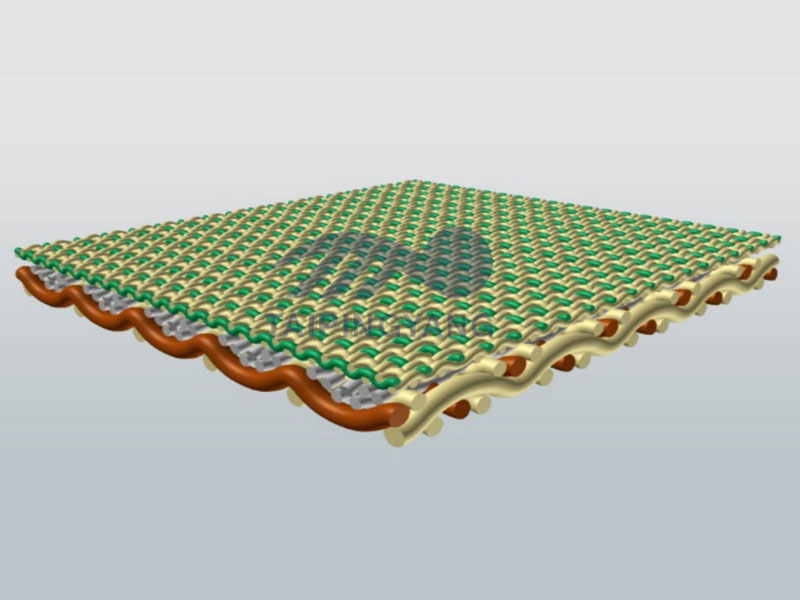
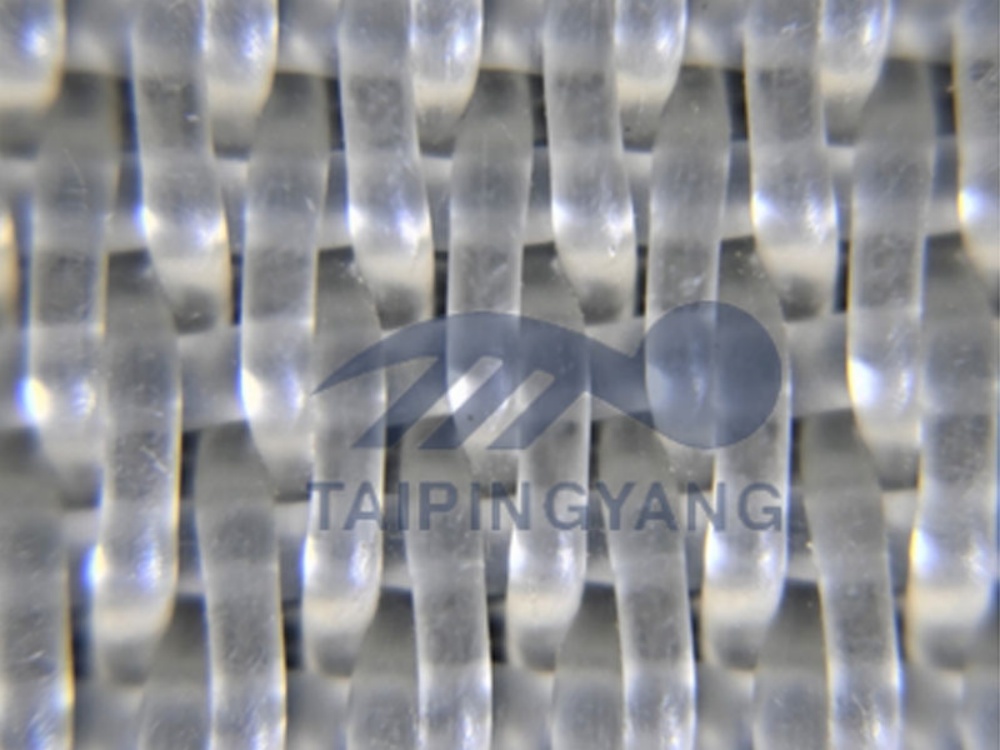
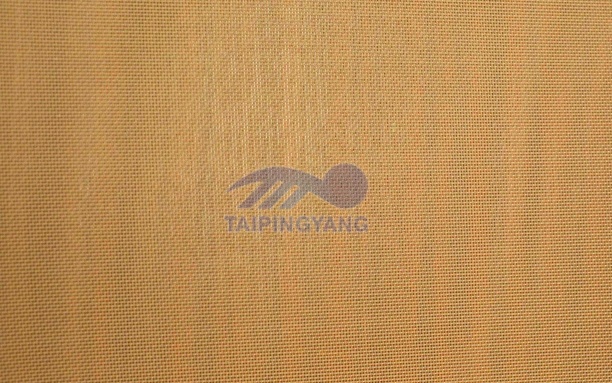
Modern forming fabrics are constructed using high-performance polymers, with multilayer technology having become the industry standard on paper machines worldwide. The weave pattern and layer construction of a forming fabric are engineered to meet stringent requirements for dimensional stability, drainage uniformity, and surface smoothness
Forming Fabric Characteristics:
· Smooth sheet-side surface
· Stable operation
· Uniform sheet formation
· Extended service life
· Controlled dimensional stability with low stretch %
Applicable Paper Machine Configurations:
· Fourdrinier paper machines
· Twin-wire formers
· Crescent former tissue machines
· Pulp drying machines
Our Advantages
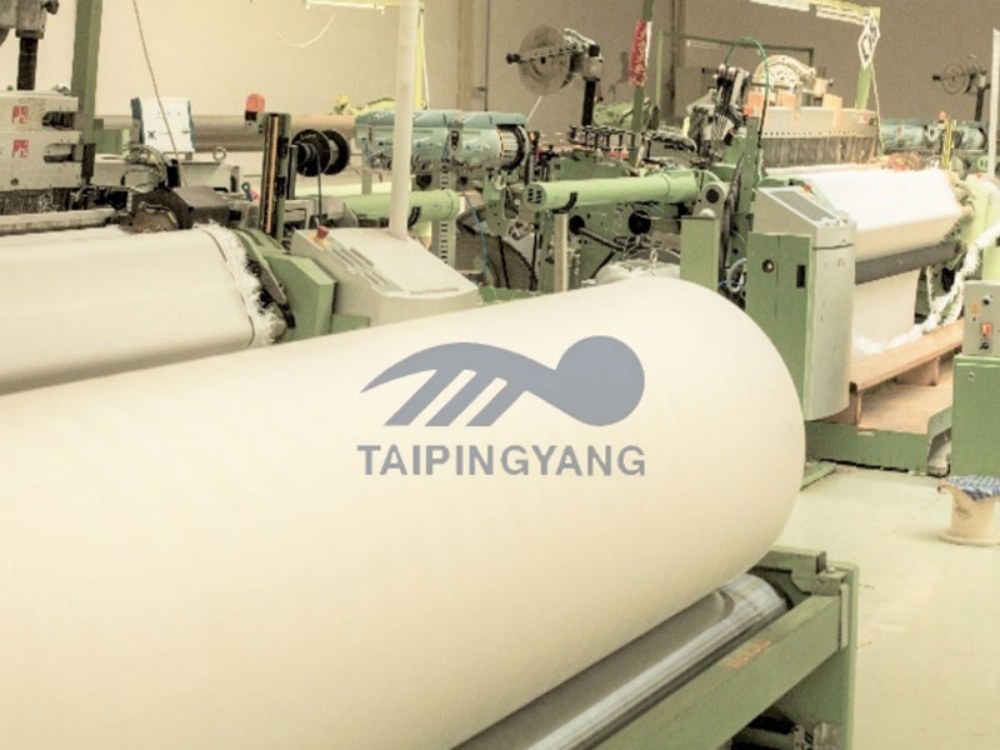
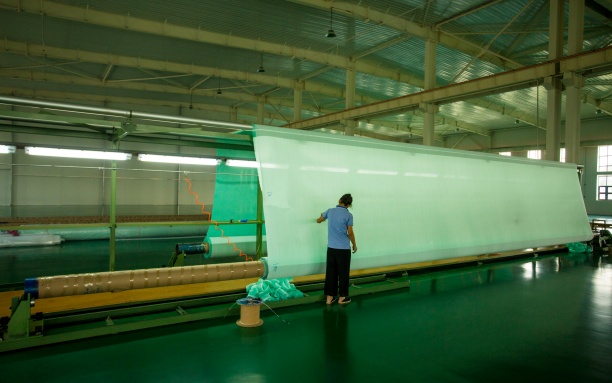
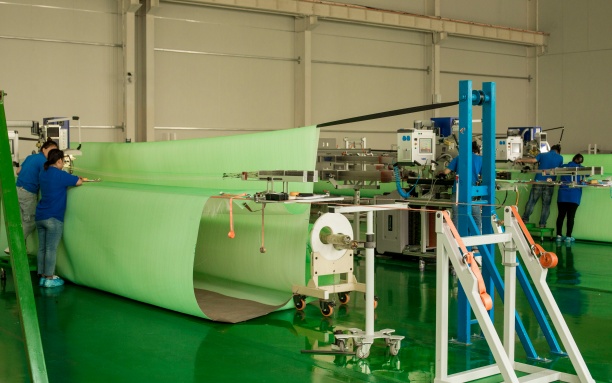
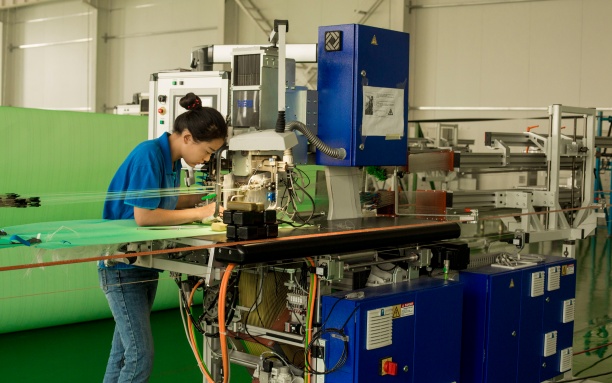
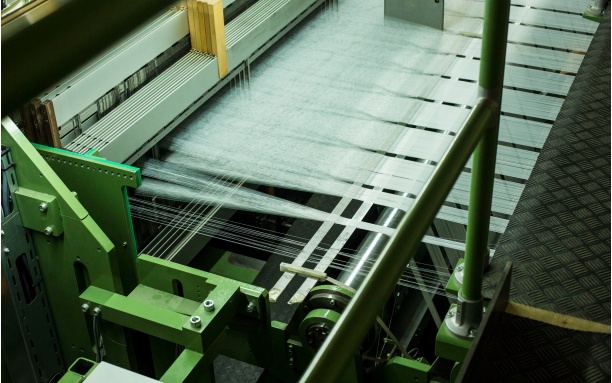
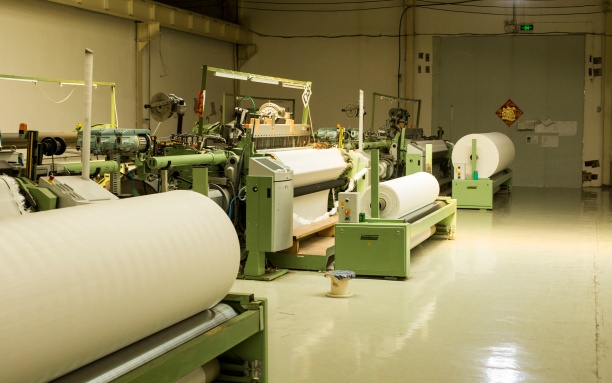
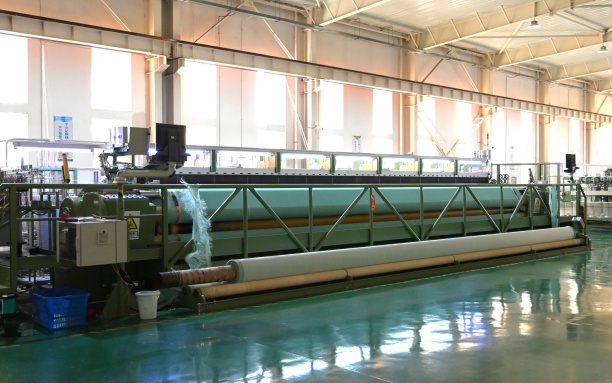
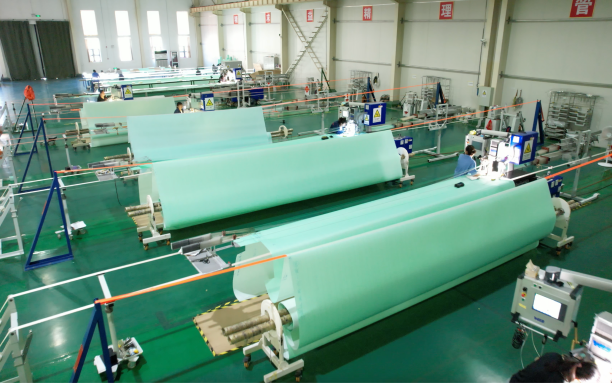
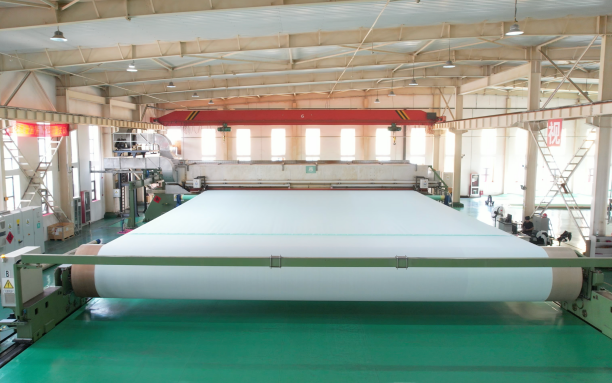
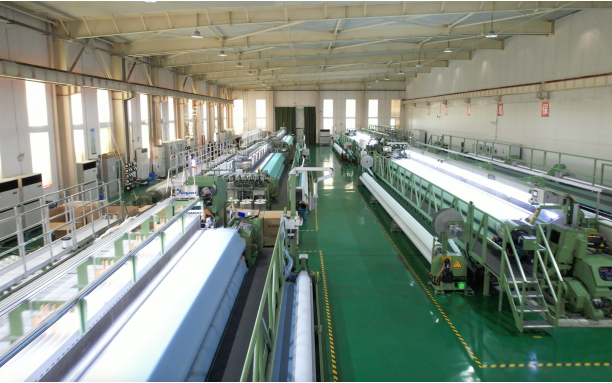
In response to the increasing speeds and widths of modern paper machines, Taipingyang has continuously invested in advanced production technology and manufacturing capabilities. We utilize imported polymer raw materials from the world’s leading suppliers and imported European looms to weave forming fabrics according to the specific requirements of each individual paper machine.
Detailed Forming Product Overview
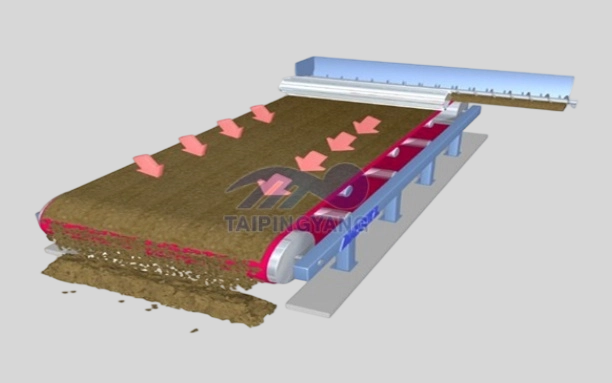
A sheet of paper is formed in the forming section, where a mixture of approximately 99% water and 1% fiber and filler materials is introduced uniformly across the width of the forming fabric. The fabric serves both as a conveyor and as a dewatering device. As the fabric travels, water drains through it while the fibers and fillers accumulate on the top surface, gradually building a cohesive sheet. It is critical that the forming fabric provides a stable, durable, and consistent drainage environment to support this process. Advanced fabric designs minimize rewetting and ensure controlled drainage for superior sheet formation.
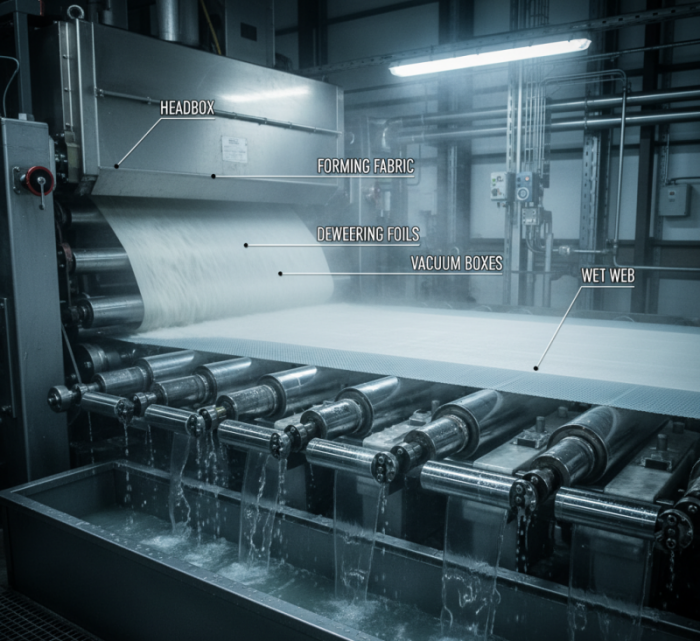
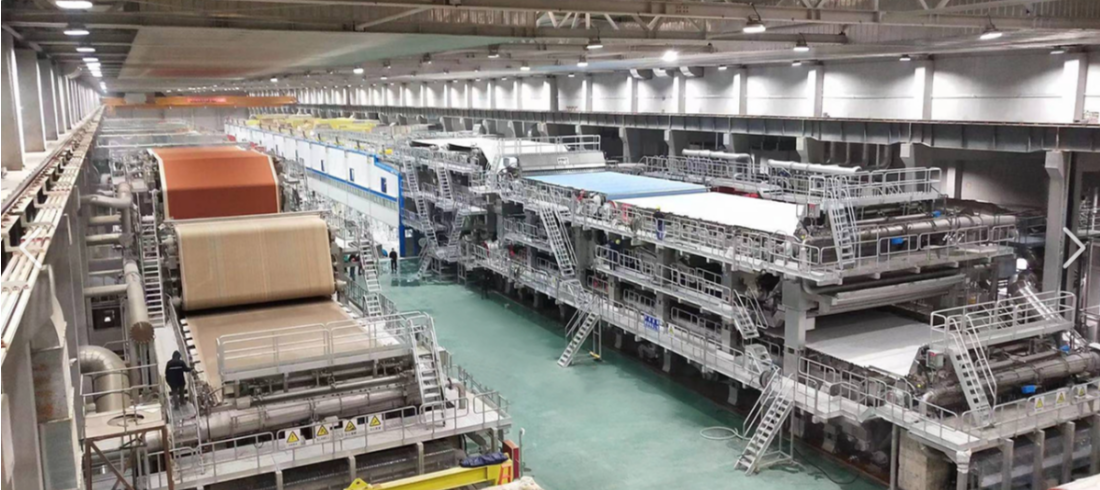
In operation, the headbox jets a low-consistency pulp (typically 0.5-1% solids) onto the fast-moving forming fabric. Gravity, assisted by elements like forming boards, foils, and vacuum boxes, drives water drainage through the fabric’s mesh openings. This process removes excess water while retaining fibers and fillers, gradually building a cohesive sheet. Advanced designs minimize rewetting and ensure controlled drainage for superior formation.
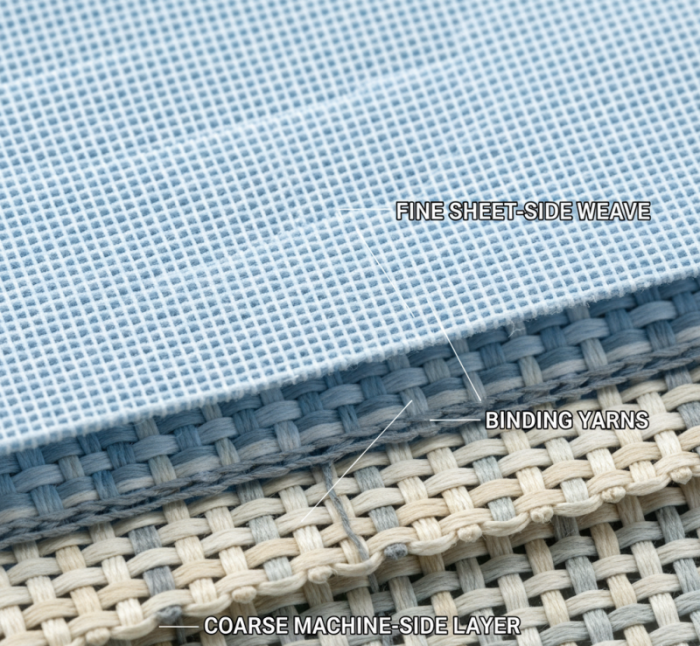
Key Performance Attributes of Premium Forming Fabrics
Premium forming fabrics exhibit several essential performance characteristics:
Superior Drainage Capacity: Open weave structures enable efficient water removal without compromising fiber or filler retention
Excellent Abrasion Resistance: Machine-side yarns are engineered to resist wear from contact with dewatering elements, extending fabric service life
High Dimensional Stability: Minimal elongation under operational tensions ensures consistent performance throughout fabric life
Optimal Fiber Support and Retention: Fine sheet-side weave surfaces reduce wire marking and improve filler/fiber retention efficiency
Clean Runnability: Resistance to contamination extends operational intervals between cleaning cycles
Types and Classifications of Forming Fabrics
Forming fabrics are classified by weave structure and layer configuration, each offering distinct advantages in fiber support, drainage capacity, dimensional stability, and service life:
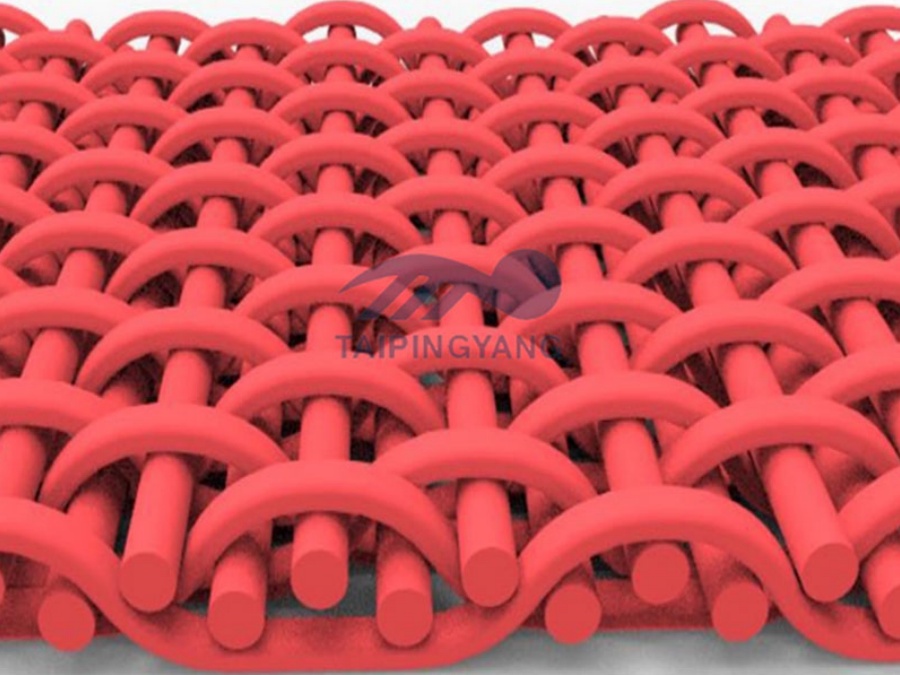
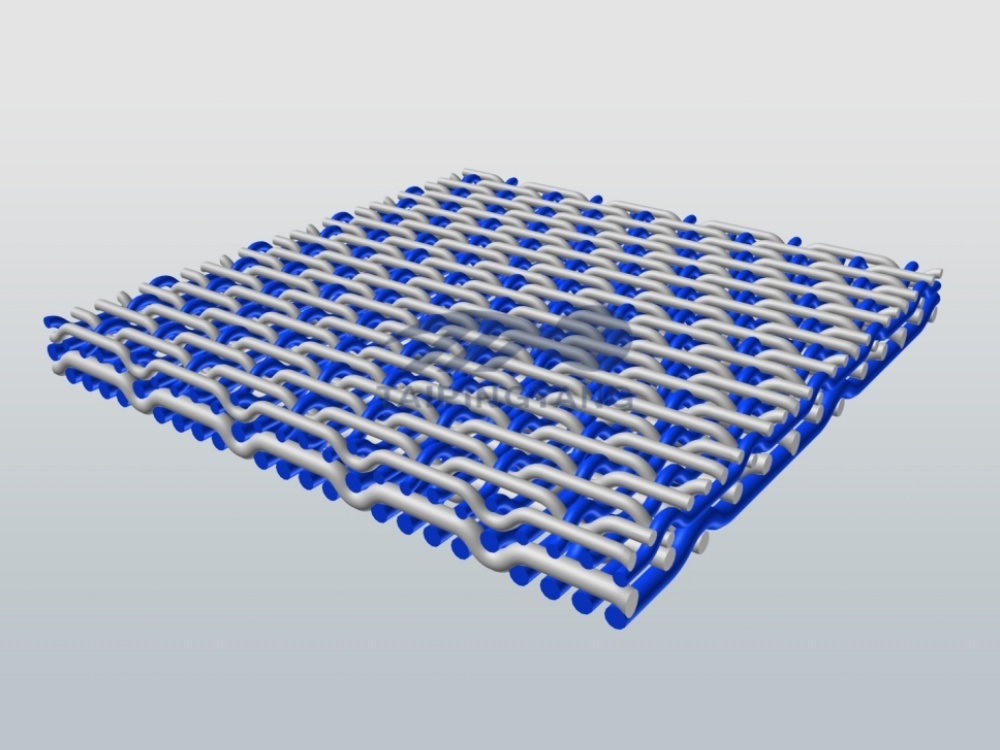
Single-Layer Fabrics – The most basic design, constructed with one set each of warp (MD) and weft (CD) yarns, provides good drainage and is cost-effective for basic applications such as kraft, tissue, and printing & writing grades on lower-speed machines.
1.5-Layer (Extra Support) Fabrics – Enhanced with additional fine weft yarns on the sheet side to improve formation and retention while maintaining robust drainage capacity. Well-suited for improved drainage performance in writing papers, kraft grades, and printing papers, effective at machine speeds up to approximately 500 m/min.
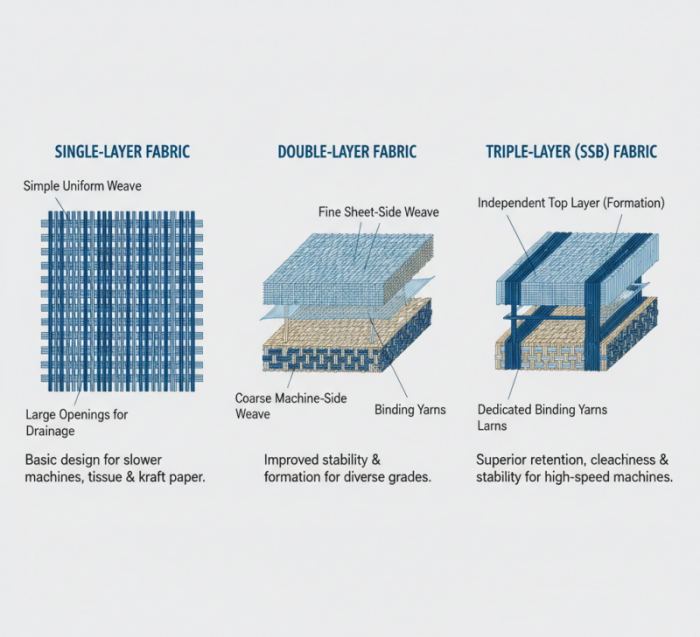
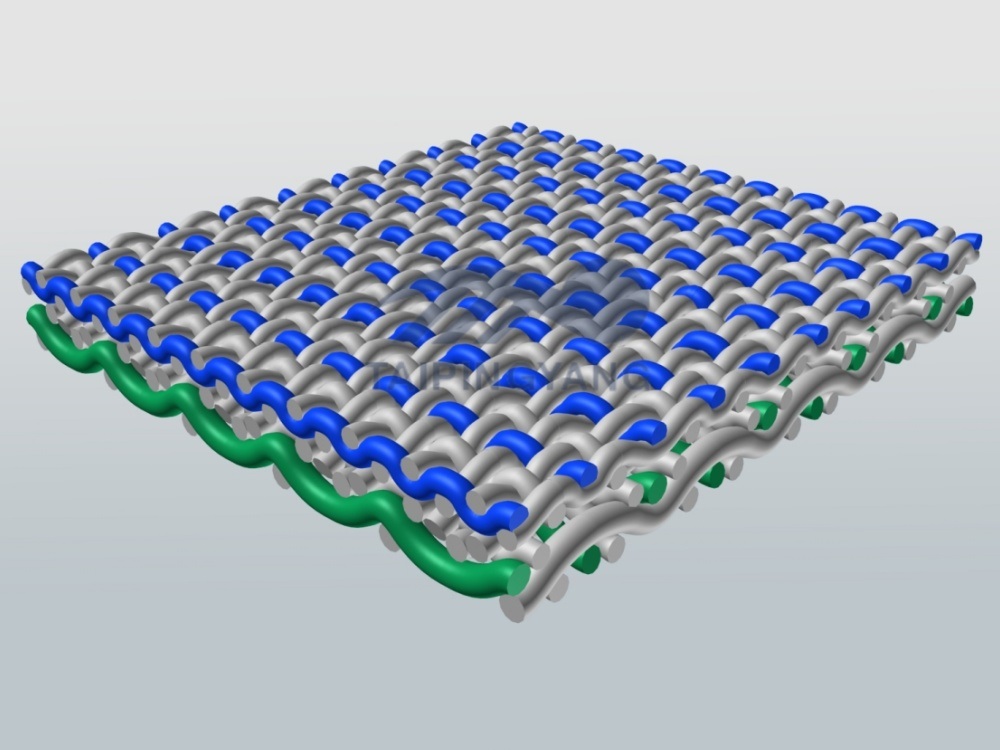
Double-Layer Fabrics – Feature separate sheet-side (fine) and machine-side (coarse) layers, improving dimensional stability, reducing two-sidedness, and enhancing abrasion resistance.
2.5-Layer Fabrics – Build upon double-layer construction with additional sheet-side weft yarns, providing superior fiber support, improved sheet smoothness, and extended service life. These fabrics are a dominant choice for diverse paper grades at moderate to high speeds, typically supporting machine speeds up to 800 m/min.
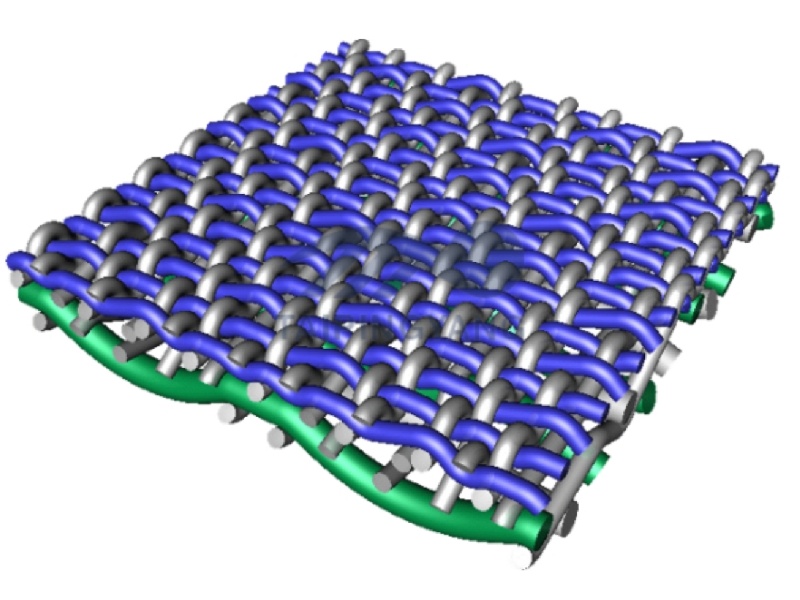
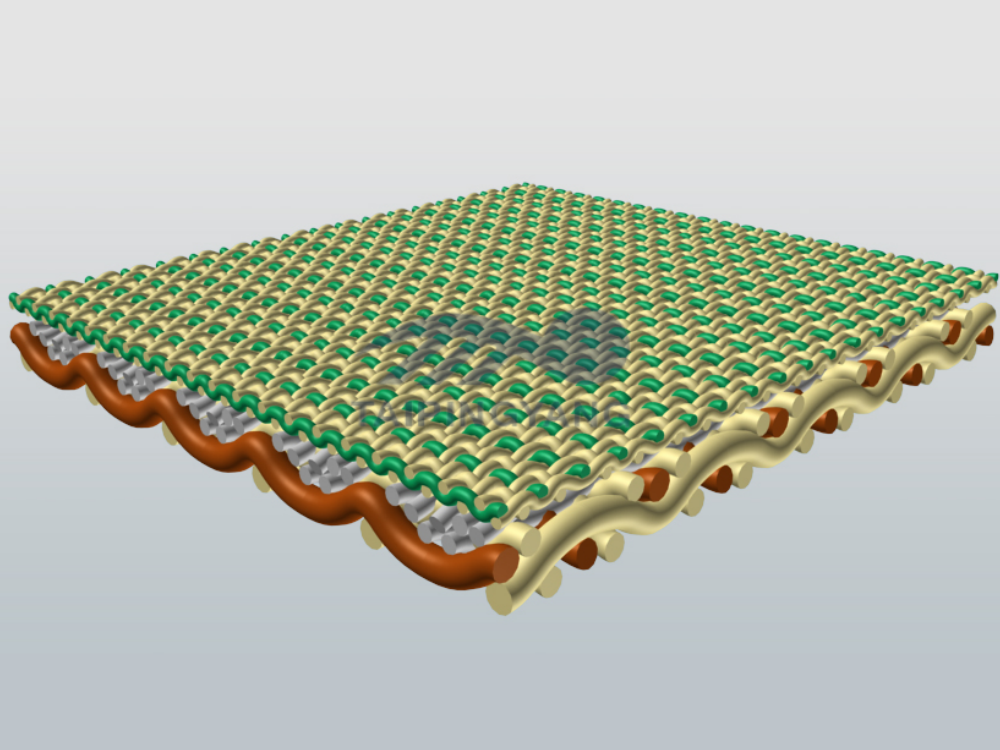
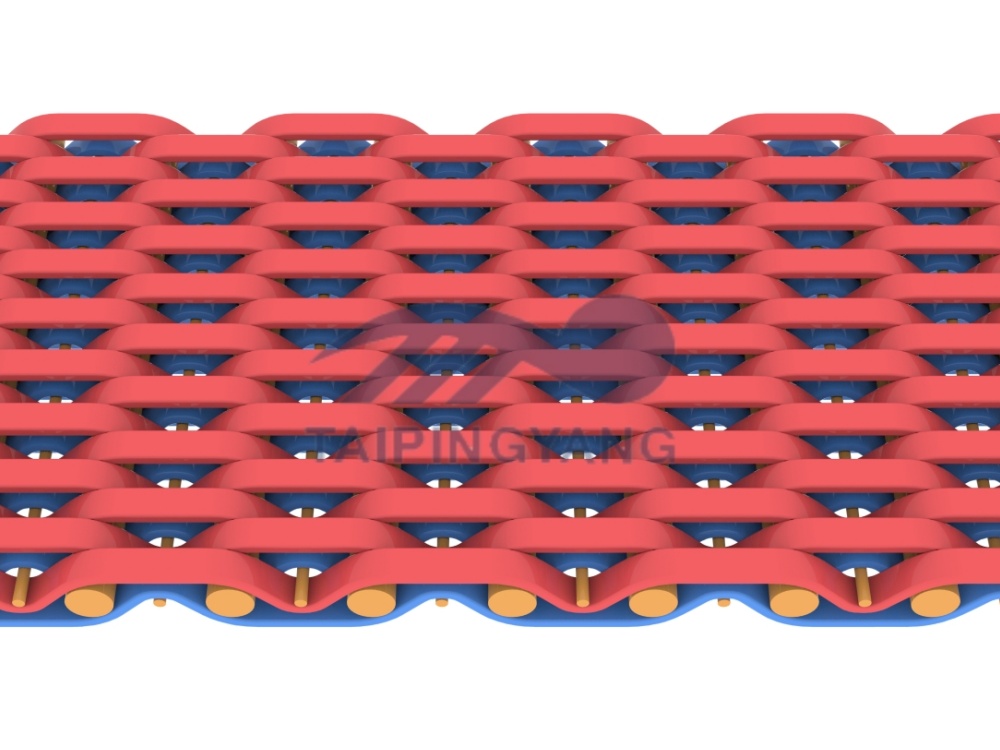
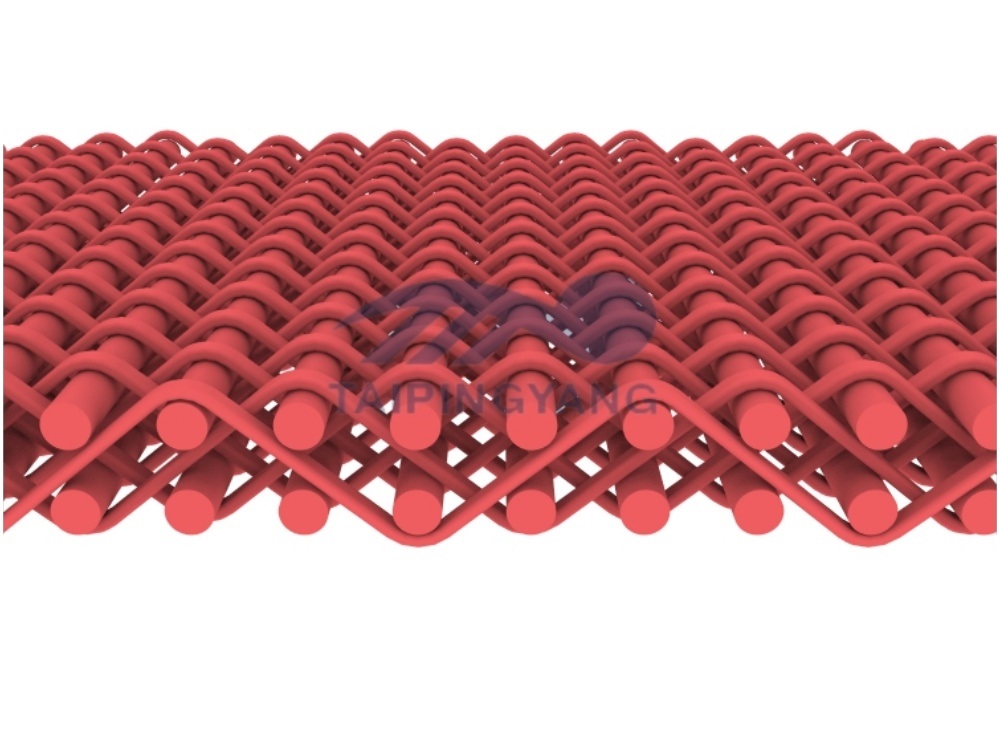
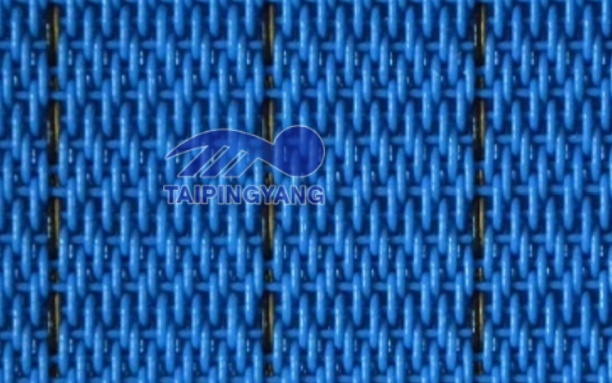
Triple-Layer (SSB – Sheet Support Binder) Fabrics – Advanced constructions with independent top and bottom layers bound together by dedicated binder yarns. SSB fabrics deliver exceptional dewatering capacity, excellent contaminant resistance, superior dimensional stability, and minimal wire marking, making them the preferred choice for high-speed machines (greater than 800 m/min) producing premium packaging grades, graphical papers, or hygiene papers.
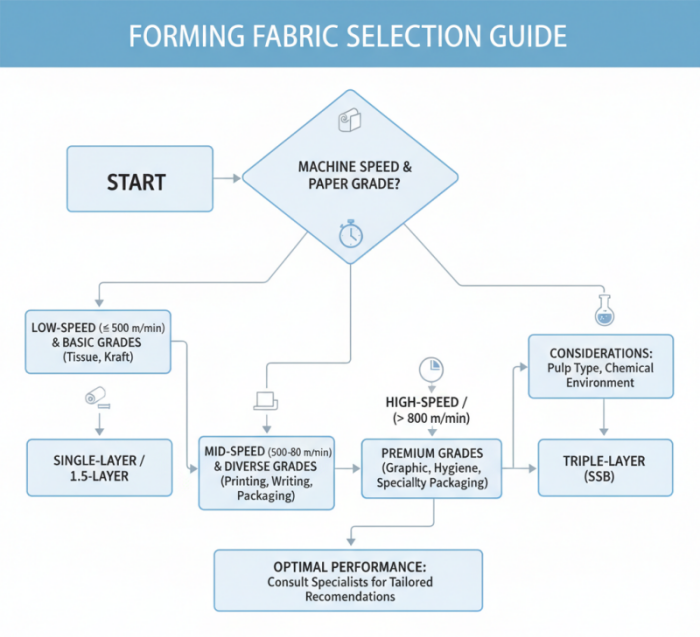
Guidelines for Forming Fabric Application
Selecting the appropriate forming fabric depends on a range of operating parameters, including paper grade, basis weight, machine speed, pulp furnish characteristics, filler content, and chemical environment:
· Single-Layer – Suitable for tissue, kraft linerboard, corrugating medium, and printing/writing papers on versatile or lower-speed machines
· 1.5-Layer – Well-suited for improved drainage in writing papers, kraft grades, and printing papers at speeds up to approximately 500 m/min
· Double-Layer and 2.5-Layer – Dominant choices for a wide variety of paper grades, with 2.5-layer fabrics offering enhanced abrasion resistance and extended service life at speeds up to 800 m/min
· Triple-Layer (SSB) – Preferred for high-speed machines (greater than 800 m/min) producing premium packaging, graphical, or hygiene papers, providing top-tier formation quality, retention efficiency, and runnability
When selecting a forming fabric, prioritize designs with minimal wire marking, smooth sheet surface characteristics, and balanced dewatering profiles. Consult with our application specialists for tailored recommendations based on your specific paper machine configuration and operating conditions.
Installation and Maintenance Considerations
Polymer-based forming fabrics undergo some degree of elongation under tension, influenced by material properties, weave pattern, and heat-setting parameters. Typical operational stretch ranges from 0.3% to 1.3%, with initial extension of approximately 0.5% to 1.0% stabilizing over time. Single-layer designs generally exhibit more stretch than multi-layer constructions.
Select the shortest fabric length that allows for safe and practical installation, confirmed by on-machine measurement. Fabric width should accommodate paper trim width, shrinkage allowances, and edge stability considerations. Any frayed edges should be promptly sealed to prevent premature wear failures.
Proper tensioning, showering, and monitoring practices ensure maximum fabric service life and consistent paper quality. Investing in the optimal forming fabric for your specific application enhances overall productivity, reduces machine downtime, and improves end-product performance
PREVIOUS:
NEXT:
Related Products
Equipment Showcase
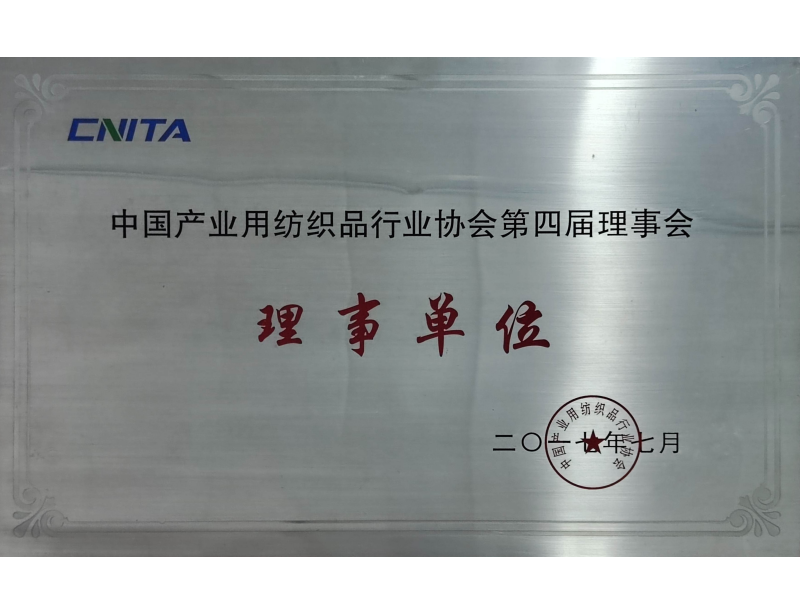
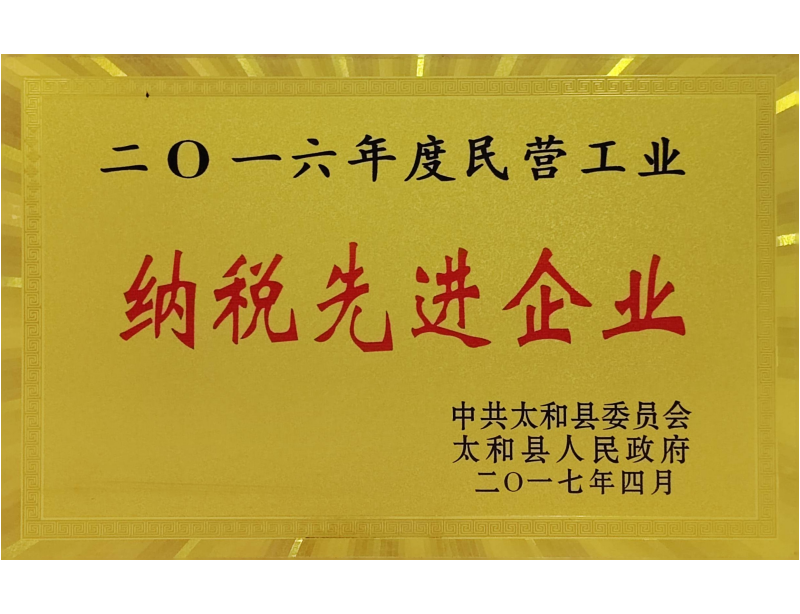
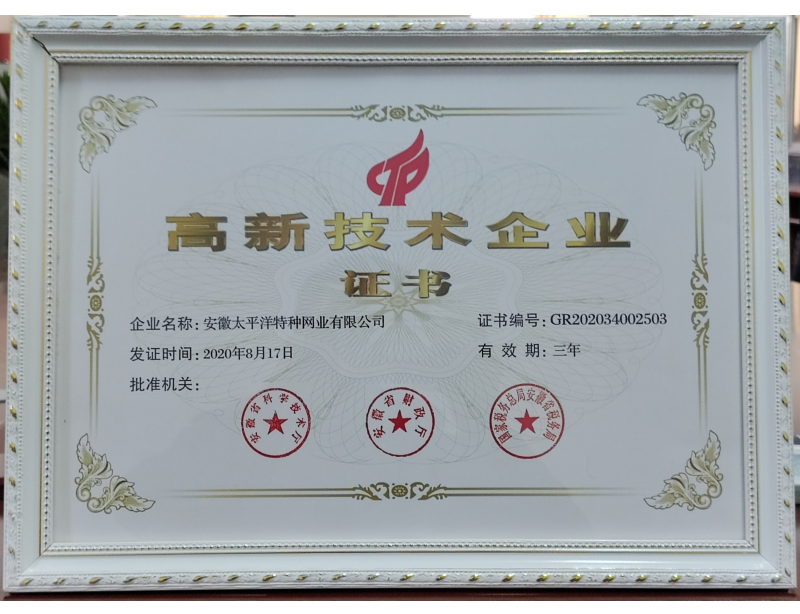
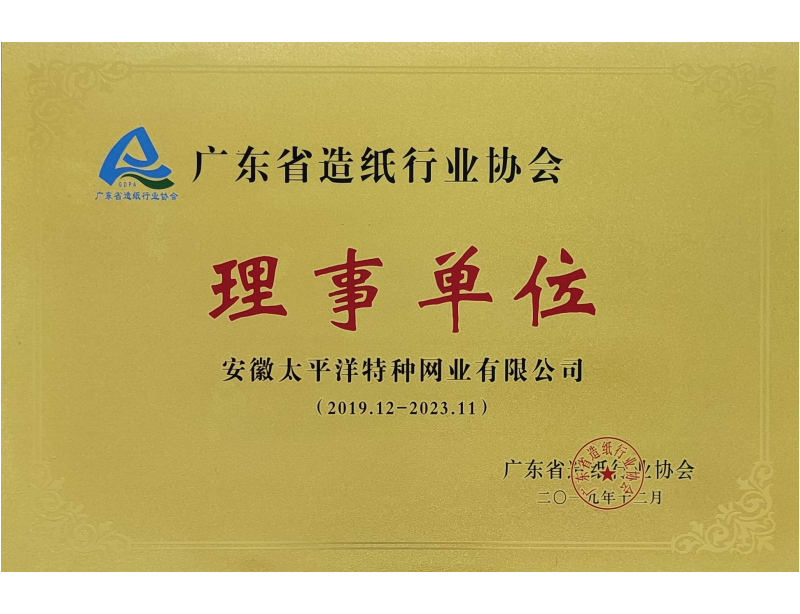
Certificates
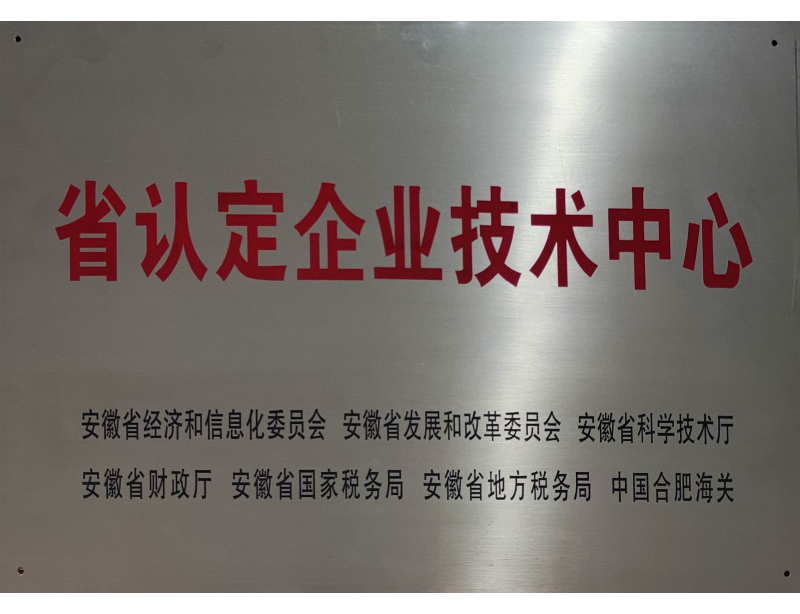
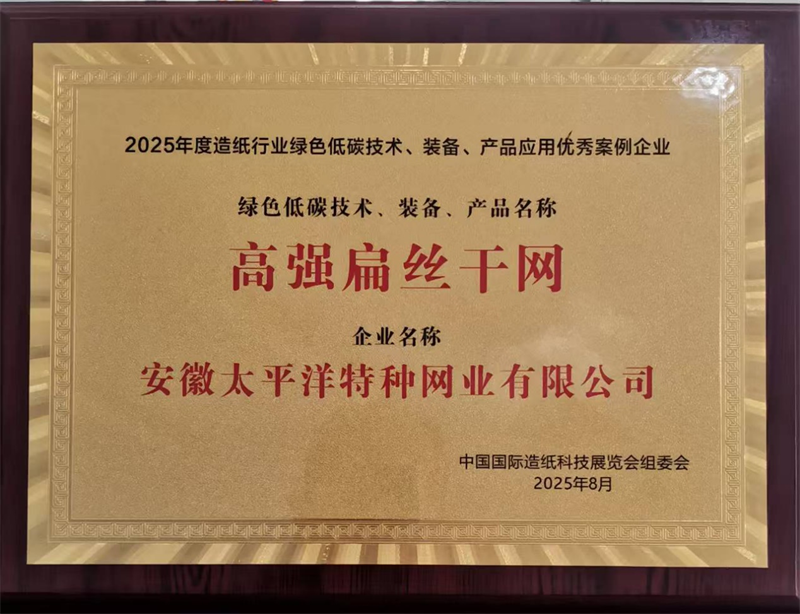
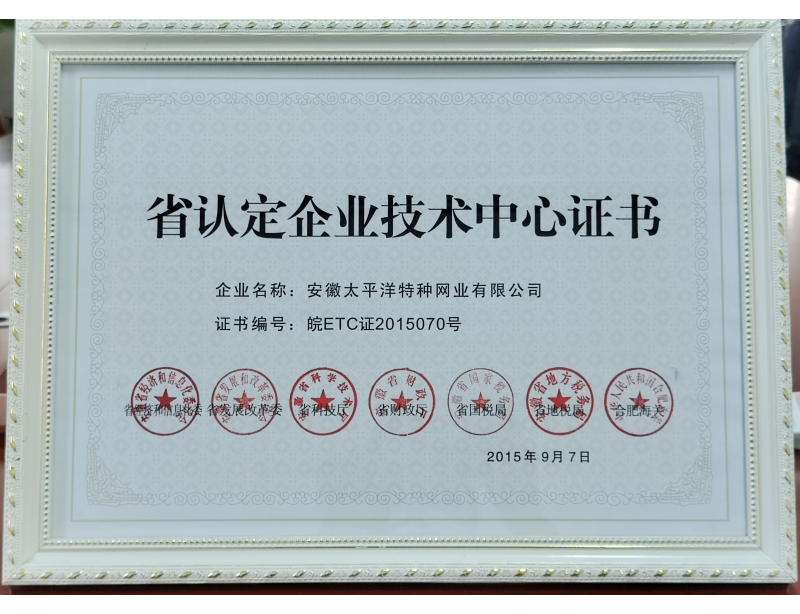
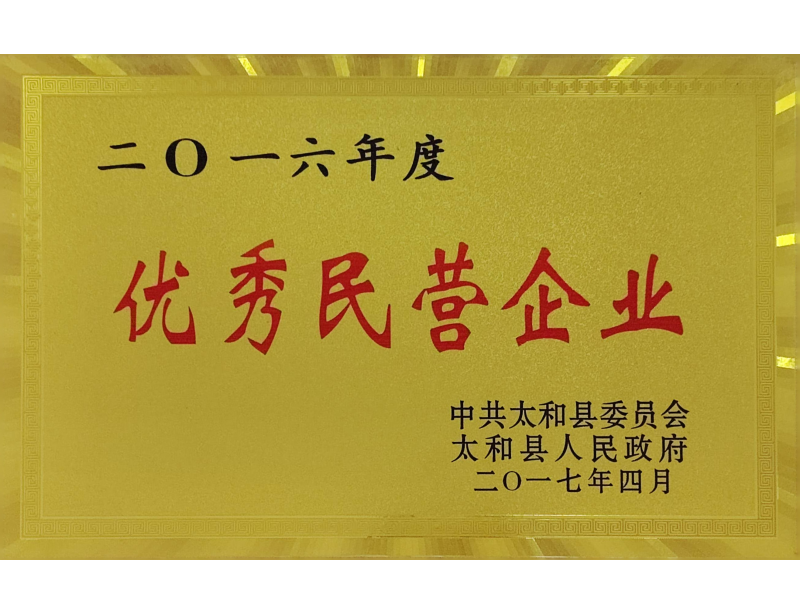
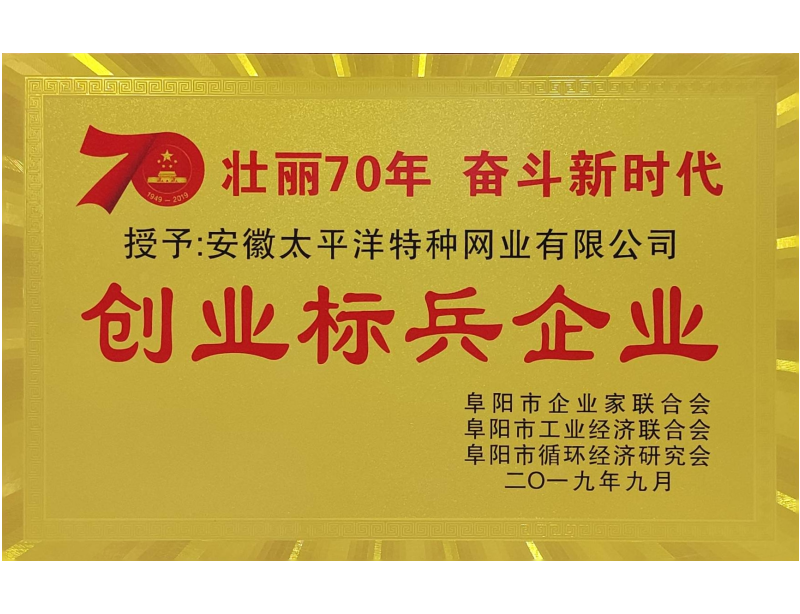
Taipingyang has more than 100 patents of various types, own various types of ISO international standard system certification, products through CE, UN and other international testing and certification certificates.
APPLICATION AREAS
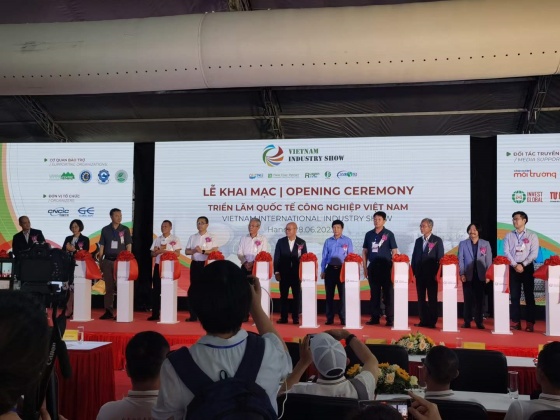
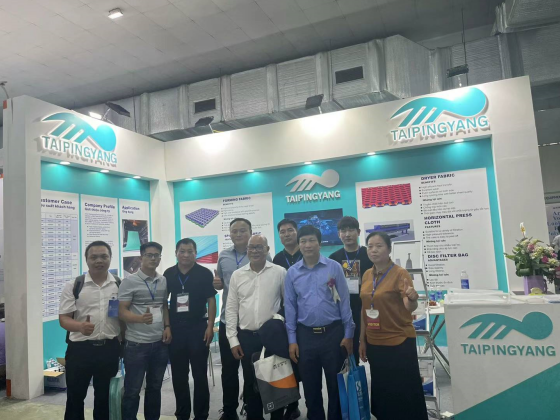
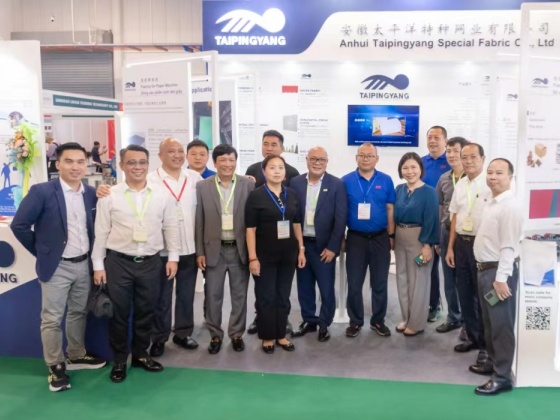
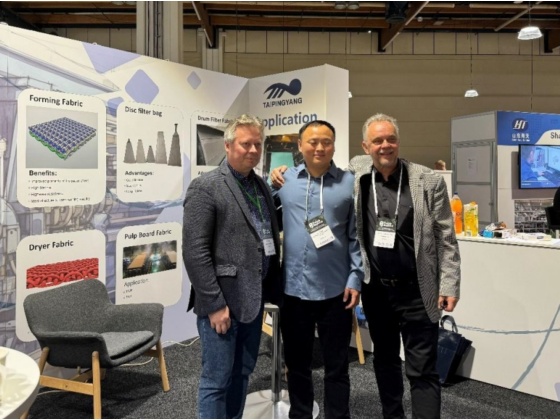
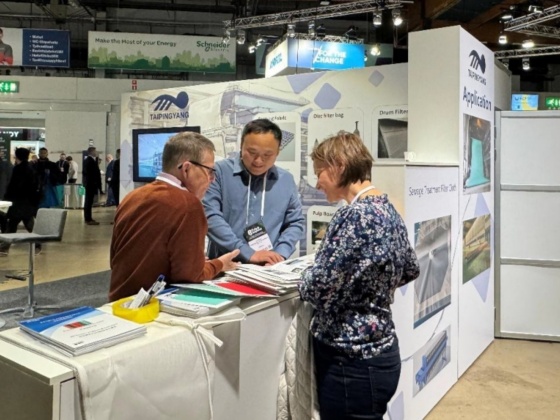
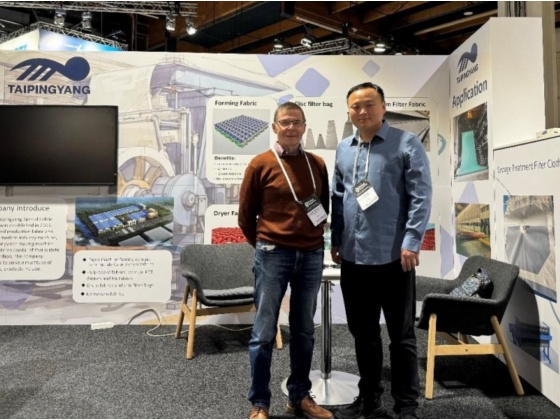
They all chose Taipingyang
Taipingyang products have been exported to many counties include United States, Europe and other oversea markets, as well as the good international cooperation of the Micro-grid solution.
CONSULT NOW
Anhui Taipingyang Special Fabric Co., Ltd
In Chengguan Town Industrial Park, Taihe County, Anhui Province